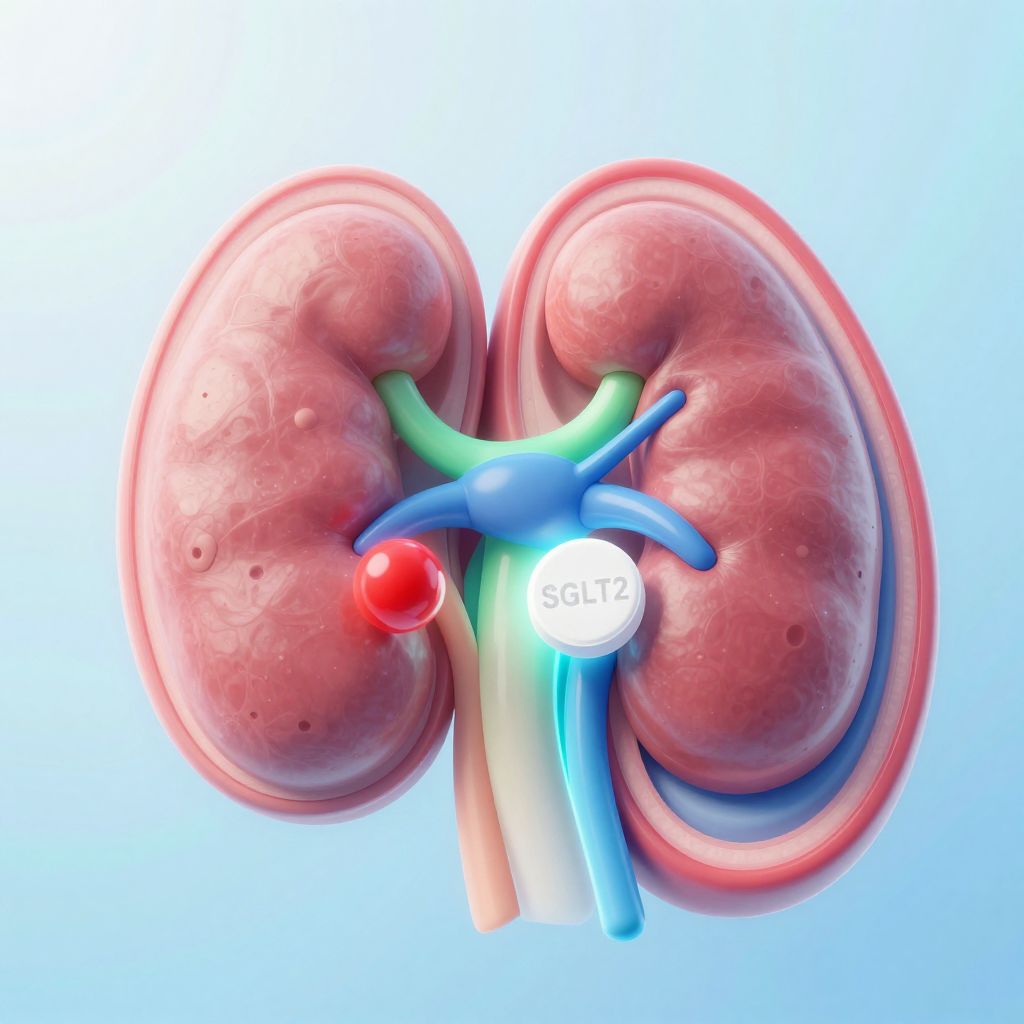
Doctors are looking for better ways to monitor kidney health in people with chronic kidney disease and type 2 diabetes. A new study looked at a specific marker in urine called uEGF/Cr. This marker helps doctors see how well the small tubes in the kidneys are working. When this marker is high, it usually means the kidneys are healthier and are less likely to fail over time.
Patients in the study were given a type of medication called SGLT2 inhibitors. These drugs are often used to help manage blood sugar and protect the kidneys. The study combined results from three large clinical trials to see how this medication affected the urine marker. The researchers found that patients who started with a higher level of this marker had a much lower risk of serious kidney problems.
One of the most important findings was how the medicine affected the urine marker over a year. Usually, this marker drops as kidney disease gets worse. However, patients taking the SGLT2 inhibitors saw their levels stay much steadier compared to those taking a dummy pill. This suggests that the medication helps protect the specific parts of the kidney that this marker measures.
Furthermore, the study showed that if a patient's urine marker increased or stayed stable over the first year, they had a lower risk of kidney failure. This makes the urine test a very useful tool for doctors. It can help them see if a treatment is working well and help them predict which patients might need extra care. This marker is a reliable way to check kidney health independently of other common tests.
In conclusion, the uEGF/Cr test provides a clear picture of kidney health. It helps doctors understand how well SGLT2 inhibitors are protecting the kidneys. By using this test, medical teams can better monitor their patients and provide more personalized care for those living with chronic kidney disease and diabetes.