
Network meta-analysis reviews acupuncture for post-stroke spasticity
Acupuncture improves arm function after stroke, review finds
This is a systematic review and exploratory network meta-analysis of acupuncture for post-stroke spasticity. The authors synthesized evidenc…
Acupuncture may help stroke survivors regain arm movement, according to a large analysis of 3,383 patients.

Narrative review evaluates muscle energy techniques for post-stroke spasticity management
Gentle Hands-On Therapy Eases Arm Stiffness After Stroke
This review examines muscle energy techniques for post-stroke spasticity in persons with stroke, though evidence strength is limited.
A gentle hands-on therapy called muscle energy techniques may reduce arm stiffness and improve movement after stroke, but it requires active…

Umbrella review finds limited evidence for shock wave therapy in post-stroke spasticity
Shock Wave Therapy Eases Stroke-Related Muscle Stiffness
This meta-analysis umbrella review synthesizes evidence on extracorporeal shock wave therapy for post-stroke spasticity.
This non-invasive treatment may help stroke patients move more freely and with less pain.

Governor Vessel moxibustion combined with rehabilitation training may alleviate poststroke muscle spasticity
Can an ancient heat therapy help loosen tight muscles after a stroke?
A meta-analysis of 11 RCTs in 859 poststroke spasticity patients found Governor Vessel moxibustion combined with routine rehabilitation trai…
Adding ancient heat therapy to standard rehab reduced muscle stiffness after stroke, though experts warn more research is needed before it b…
Research across Stroke
Related studies from across the Stroke family.

Tenecteplase and alteplase improve functional outcomes in extended windows but increase symptomatic intracranial hemorrhage risk
Tenecteplase Shows Potential Benefits for Late Acute Ischemic Stroke
This meta-analysis of 4,944 patients evaluated intravenous thrombolysis with alteplase or tenecteplase between 4.5 and 24 hours after stroke…
Tenecteplase may offer similar benefits to alteplase for stroke patients while potentially carrying a lower risk of brain bleeding.

Obstructive sleep apnea is associated with a 2- to 3-fold increase in stroke risk
Sleep disorders significantly impact recovery for stroke patients
This narrative review examines the prevalence and impact of sleep disorders, including obstructive sleep apnea (OSA), in stroke patients. Th…
Up to 84% of stroke patients suffer from sleep disorders, which can hinder recovery and increase the risk of future strokes.

Adjunctive acupoint application increases clinical response rates in post-stroke sleep disorders
Chinese herbal acupoint application may improve sleep after a stroke
This meta-analysis of 608 patients found that adjunctive acupoint application significantly increased trial-defined clinical response rates …
New data suggests that adding herbal acupoint treatments to care can improve sleep quality for people living with sleep disorders after a st…

Detectable Microembolic Signals on TCD Linked to 2.85-Fold Higher Odds of Poor Stroke Outcome
Microembolic signals predict poor outcomes for stroke patients
This meta-analysis of 1,777 patients with acute ischemic stroke found that detectable microembolic signals on transcranial Doppler were asso…
Detecting specific microembolic signals during a stroke can help doctors identify patients at a higher risk for poor physical recovery.

Non-invasive brain stimulation shows favorable tolerability and 94.9% completion rate for post-stroke upper limb rehabilitation
Brain Stimulation Shows Good Safety for Post-Stroke Arm Recovery
This systematic review and network meta-analysis of 2,640 participants evaluated non-invasive brain stimulation (NIBS) for post-stroke upper…
Brain stimulation techniques show high completion rates and favorable safety for patients recovering arm movement after a stroke.

Acupuncture-based interventions improve Fugl-Meyer Assessment scores for post-stroke foot drop compared to conventional treatment
Acupuncture may improve movement for patients with post-stroke foot drop
This meta-analysis of 4,596 patients found that acupuncture-based interventions, including traditional and electroacupuncture, improved Fugl…
Acupuncture combined with standard care may help stroke survivors regain movement and improve scores in foot drop recovery.

Transcranial direct current stimulation combined with cognitive training yields largest improvements in post-stroke cognitive function
Brain stimulation and training help stroke survivors regain memory
This systematic review of 3,842 patients with post-stroke cognitive impairment found that transcranial direct current stimulation combined w…
New research shows that combining brain stimulation with cognitive training helps stroke survivors improve their memory and thinking skills.

Robotics-based interventions show stronger evidence for improving upper-limb motor function after stroke
Robotics Show Strong Potential for Stroke Recovery of Arm Function
This systematic review and network meta-analysis of 1,145 stroke survivors evaluated virtual reality, robotics, and brain-computer interface…
New research suggests that robotics-based therapies may offer significant improvements for stroke survivors regaining movement in their arms…

BCI-based interventions improve FMA-UE scores in patients with stroke and poststroke hemiplegia
Brain-computer interfaces show promise for stroke recovery and mobility
This network meta-analysis of 2906 patients with stroke and poststroke hemiplegia found that BCI-based interventions significantly improved …
New data shows that brain-computer interfaces can help stroke survivors regain arm movement and perform daily tasks more effectively.
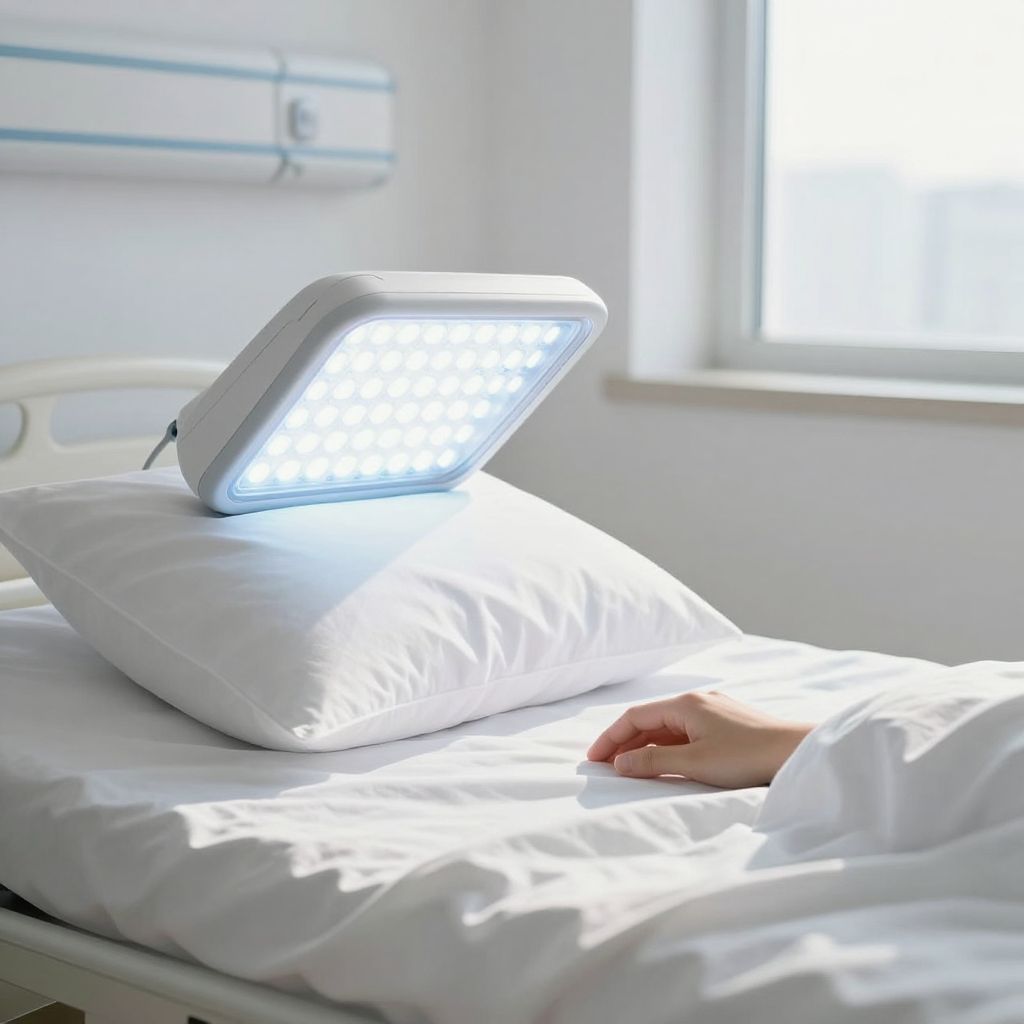
Bright light therapy improves subjective sleep quality in adults with stroke
Bright Light Therapy May Improve Sleep Quality After Stroke
This systematic review and meta-analysis of 343 adults with stroke found that bright light therapy (BLT) significantly improves subjective s…
Bright light therapy may help improve how patients feel about their sleep quality after a stroke, though results on sleep continuity are les…

Wearable digital biomarkers show potential for neurorehabilitation monitoring, but evidence is heterogeneous and early
Wearable devices track movement and health for neurological recovery
This scoping review of 56 studies synthesizes evidence on wearable-derived digital biomarkers in neurological rehabilitation, focusing on st…
Wearable sensors can track movement and physical signs to help people recovering from stroke, Parkinson disease, and spinal cord injuries.

Paired vagus nerve stimulation with task-specific rehabilitation improves durable upper-limb outcomes in chronic ischemic stroke
Vagus Nerve Stimulation Shows Promise for Stroke Recovery
This mini review examines the impact of paired vagus nerve stimulation (pVNS) combined with task-specific rehabilitation for patients with c…
New research suggests that paired vagus nerve stimulation combined with rehabilitation may improve arm movement for people with chronic stro…