
FDA Approves Nuplazid (pimavanserin) for Parkinson's Disease Psychosis
FDA approves first drug for hallucinations in Parkinson's disease
The FDA approved Nuplazid (pimavanserin) for hallucinations and delusions associated with Parkinson's disease psychosis. Approval was based …
The FDA approved Nuplazid (pimavanserin) to treat hallucinations and delusions in people with Parkinson's disease psychosis. It is the first…

FDA Approves Nuplazid (pimavanserin) for Parkinson's Disease Psychosis
FDA approves first drug for hallucinations in Parkinson's disease
FDA approved Nuplazid (pimavanserin) for hallucinations and delusions associated with Parkinson's disease psychosis. In a 6-week trial, Nupl…
The FDA approved Nuplazid (pimavanserin) to treat hallucinations and delusions in people with Parkinson's disease psychosis. It is the first…
Research across Parkinson's Disease
Related studies from across the Parkinson's Disease family.

Exercise interventions improve motor function and freezing of gait scores in Parkinson's disease
Exercise Interventions May Improve Movement and Balance in Parkinson's
This meta-analysis of 714 patients with Parkinson's disease found that exercise interventions significantly improved motor scores and freezi…
Exercise programs may help people with Parkinson's disease improve their motor skills, balance, and symptoms like freezing of gait.

Resistance training shows largest effect for global cognition in Alzheimer's and Parkinson's disease
Resistance training shows strongest results for cognitive health in dementia
This network meta-analysis of 1,993 participants evaluated six exercise modalities for global cognitive function in Alzheimer's disease, Par…
Resistance training may offer the strongest boost to cognitive function for people living with Alzheimer's or Parkinson's disease.

Theta burst stimulation significantly improves motor symptoms and reduces depressive scores in Parkinson's disease
Theta Burst Stimulation Shows Promise for Parkinson's Disease Symptoms
This meta-analysis of 388 participants evaluates transcranial and transspinal theta burst stimulation (TBS) for Parkinson's disease. The ana…
New research suggests that theta burst stimulation may improve motor symptoms and reduce depression in people living with Parkinson's diseas…

Gut microbiota dysbiosis and increased intestinal permeability markers are associated with Parkinson's disease
Gut bacteria patterns may differ in Parkinson's disease patients
This meta-analysis of 33 human studies involving 1,588 Parkinson's disease patients and 1,449 healthy controls identifies significant altera…
New research shows specific changes in gut bacteria and intestinal barriers in people living with Parkinson's disease.

Periodontitis is associated with poorer periodontal status in patients with Parkinson's disease
Gum disease and Parkinson's disease show a linked connection
This narrative review examines the relationship between periodontitis and Parkinson's disease. While observational studies show poorer perio…
People with Parkinson's disease often have poorer gum health, but researchers say gum disease does not currently prove to cause or worsen th…
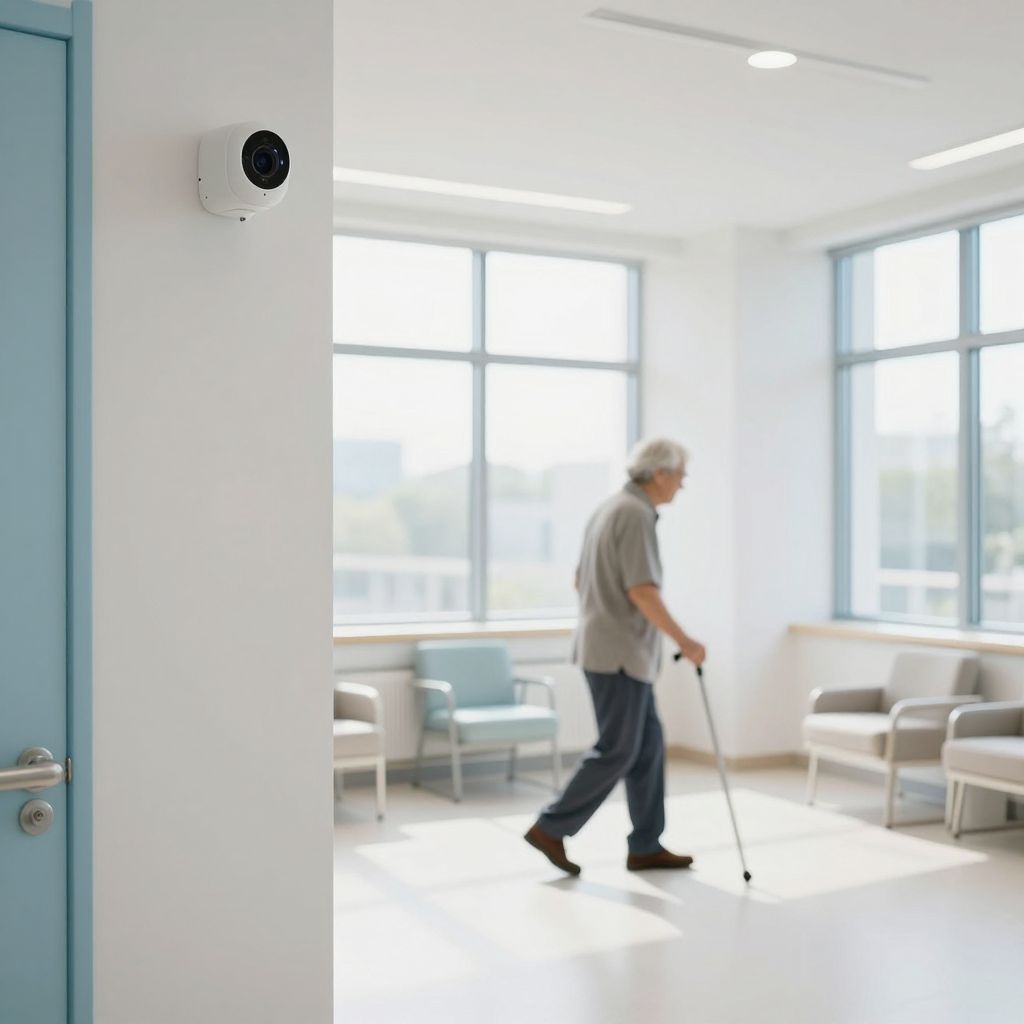
Ceiling-mounted AI depth cameras detect more falls than routine reporting in Parkinson's facility
AI camera system detects more falls for Parkinson's patients
This proof-of-concept clinical study evaluated a privacy-preserving, non-wearable AI system for real-time fall detection in a Parkinson's di…
A new AI-powered camera system identified significantly more falls in a Parkinson's facility than traditional reporting methods.

Non-pharmacological Parkinson's trials are broad but too heterogeneous to rank interventions
Parkinson's Motor Trials Mapped, But Which Works Remains Unclear
This scoping review maps 50 eligible reports representing 48 independent randomized trials of non-pharmacological interventions for motor fu…
A new map of 48 Parkinson's trials shows a wide range of non-drug treatments, but which ones actually work is still unclear.

Physiotherapy consistently improves balance, postural stability, and gait speed after STN deep brain stimulation
Physiotherapy Shows Promise for Parkinson's Patients After Brain Surgery
This systematic review of 10 studies indicates that physiotherapy consistently improves balance, postural stability, gait speed, and functio…
Physiotherapy may improve balance, walking speed, and mobility for Parkinson's patients who have received deep brain stimulation surgery.

Citicoline increases likelihood of achieving minimal clinically important difference in Parkinson's disease by OR 2.06
Trial shows citicoline may improve movement in Parkinson's disease
This randomized, double-blind, multicenter trial of 485 patients with Parkinson's disease found that citicoline (1000 mg/day intramuscular) …
A new trial suggests that adding citicoline to standard medication may improve motor function and quality of life for people with Parkinson'…

Neurofeedback shows potential for motor and non-motor outcomes in idiopathic Parkinson's disease
New neurofeedback methods show potential for Parkinson's disease patients
This narrative review explores the neurophysiological feasibility and clinical effects of EEG-based, fMRI-based, and DBS-guided neurofeedbac…
New research explores how brain-training techniques like neurofeedback might help people with Parkinson's manage movement and motor symptoms…

Robot-assisted gait training improves balance, walking endurance, and spatiotemporal gait parameters in Parkinson's disease
Robot-Assisted Gait Training Shows Promise for Parkinson's Mobility
This meta-analysis evaluates the efficacy of robot-assisted gait training (RAGT) compared to conventional rehabilitation and other intervent…
Robot-assisted gait training may improve balance and walking endurance for people with Parkinson's disease compared to standard rehabilitati…

DEK emerges as neuron-specific ac4C-linked driver of neuroinflammation in Parkinson's disease
New research identifies a specific gene linked to Parkinson's disease
This multi-omics analysis with in vitro validation identifies 7 ac4C-associated risk genes in Parkinson's disease and stratifies patients in…
Researchers identified a specific gene and a potential new drug target to help manage inflammation in Parkinson's disease.