
Frailty associated with higher odds of cognitive impairment in patients with chronic kidney disease
Frailty increases risk of cognitive issues in kidney disease patients
This meta-analysis of 129,868 patients with chronic kidney disease (CKD) found that frailty is associated with a significantly higher risk o…
People with chronic kidney disease who experience frailty are much more likely to face memory and thinking problems than those who stay robu…

Shenmai and Shenfu injections may reduce postoperative cognitive dysfunction incidence following surgical procedures
Two injections may help patients recover mental clarity after surgery
This meta-analysis of 16 RCTs involving 1,199 patients indicates that Shenmai and Shenfu injections are associated with higher MMSE scores a…
New data suggests that Shenmai and Shenfu injections could help patients regain mental clarity and awareness more quickly after undergoing s…

Natural compounds may alleviate anesthesia induced cognitive dysfunction through multi-target regulatory mechanisms
Natural Compounds May Help Protect Brains After Anesthesia
This systematic review evaluates 16 natural compounds, including flavonoids and polyphenols, regarding their role in mitigating anesthetic-i…
Certain natural compounds like flavonoids and polyphenols may help protect brain function from damage caused by inhalational anesthetics.

Network meta-analysis protocol aims to rank structured exercise interventions for fall prevention in dementia
Exercise Programs May Help Prevent Falls in Seniors with Dementia
This is a protocol for a systematic review and network meta-analysis regarding structured exercise interventions for older adults with mild …
A planned review aims to determine which types of structured exercise best help older adults with memory loss stay safe and avoid falling.

Neuroinflammation as an interconnected network process regulates synaptic integrity and neuronal survival in cognitive aging
Neuroinflammation as a Network Process in Cognitive Decline
This mini-review explores neuroinflammation as a complex, interconnected network process influencing brain health. The authors synthesize ho…
A new mini-review suggests neuroinflammation acts as an interconnected network that can either protect or harm the brain, influencing cognit…

Bibliometric analysis identifies growing research trends and key hubs for short-chain fatty acids in cognitive impairment
Mapping the Growing Research on Gut Health and Memory Loss Diseases
This systematic review provides a bibliometric analysis of 425 WoSCC and 514 Scopus records regarding short-chain fatty acids (SCFAs) and co…
Scientists are tracking how gut-related compounds might help brain health. This review maps out years of research into these important links…

Multidomain lifestyle interventions provide small but statistically significant benefits for global cognition scores
Multidomain lifestyle changes may help slow signs of dementia
This meta-analysis of randomized controlled trials involving 23209 participants found that multidomain lifestyle interventions (three or mor…
Combining multiple lifestyle habits like diet and exercise can lead to small but steady improvements in brain health for those at risk of de…

Sarcopenia is associated with 2.30 higher odds of cognitive impairment in Latin American adults
Sarcopenia Linked to Higher Risk of Cognitive Impairment
This systematic review and meta-analysis of 8 studies involving 13,395 community-dwelling adults in Latin America found that sarcopenia is s…
A large review of data from Latin America shows that muscle loss in older adults is linked to a much higher risk of cognitive impairment.

Evaluating High Frequency Repetitive Transcranial Magnetic Stimulation for Post Stroke Cognitive Impairment
Magnetic brain stimulation may improve memory after a stroke
Meta-analysis results indicate that HF-rTMS significantly improves various memory functions in patients suffering from post-stroke cognitive…
A large review of data suggests that high-frequency magnetic stimulation could help improve memory for people living with post-stroke cognit…

Demographic and clinical factors associated with poststroke cognitive impairment in stroke patients
Key risk factors identified for cognitive issues after stroke
This meta-analysis examined various risk factors, including age, gender, education level, and comorbidities like hypertension and diabetes, …
New data identifies how age, gender, and underlying conditions like diabetes and high blood pressure impact brain health after a stroke.

EEG microstate duration and occurrence rates differ significantly between Alzheimer's patients and healthy controls
Brain wave patterns show differences in Alzheimer's and memory loss
This meta-analysis of 16 studies evaluated EEG microstate parameters in patients with Alzheimer's disease (AD) and mild cognitive impairment…
New analysis shows specific brain wave patterns change as memory fades, offering a new way to look at how the brain handles information.
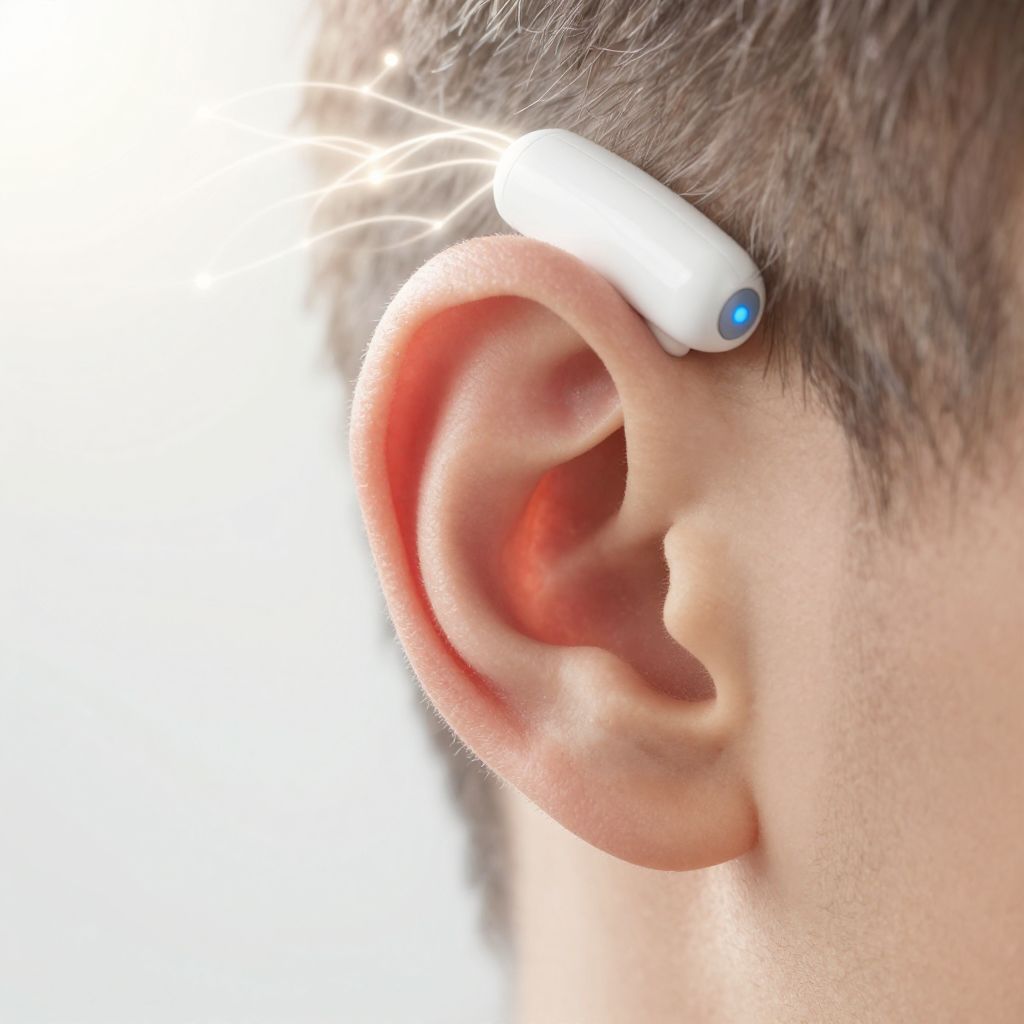
Meta Analysis Evaluating Transcutaneous Auricular Vagus Nerve Stimulation for Cognitive Enhancement
Vagus nerve stimulation shows link to improved cognitive performance
New evidence suggests taVNS significantly improves executive functions and cognitive flexibility across diverse patient populations.
A large review of studies suggests that ear-based vagus nerve stimulation may improve memory, focus, and emotional regulation.
Questions about Cognitive Dysfunction
How common is cognitive dysfunction in children who have had a liver transplant?
About 24% of children who have a liver transplant experience cognitive dysfunction, with higher rates in those transplanted before age 1 (39.4%) and in Asia (30.6%).
Full answer →